.png?alt=media&token=bfcc71bf-04da-4200-badf-6c9f66c06a3c)
Water-Wise Gardening: 5 Ways to Save Water in Your Lawn
Posted by Aster on October 23, 2025
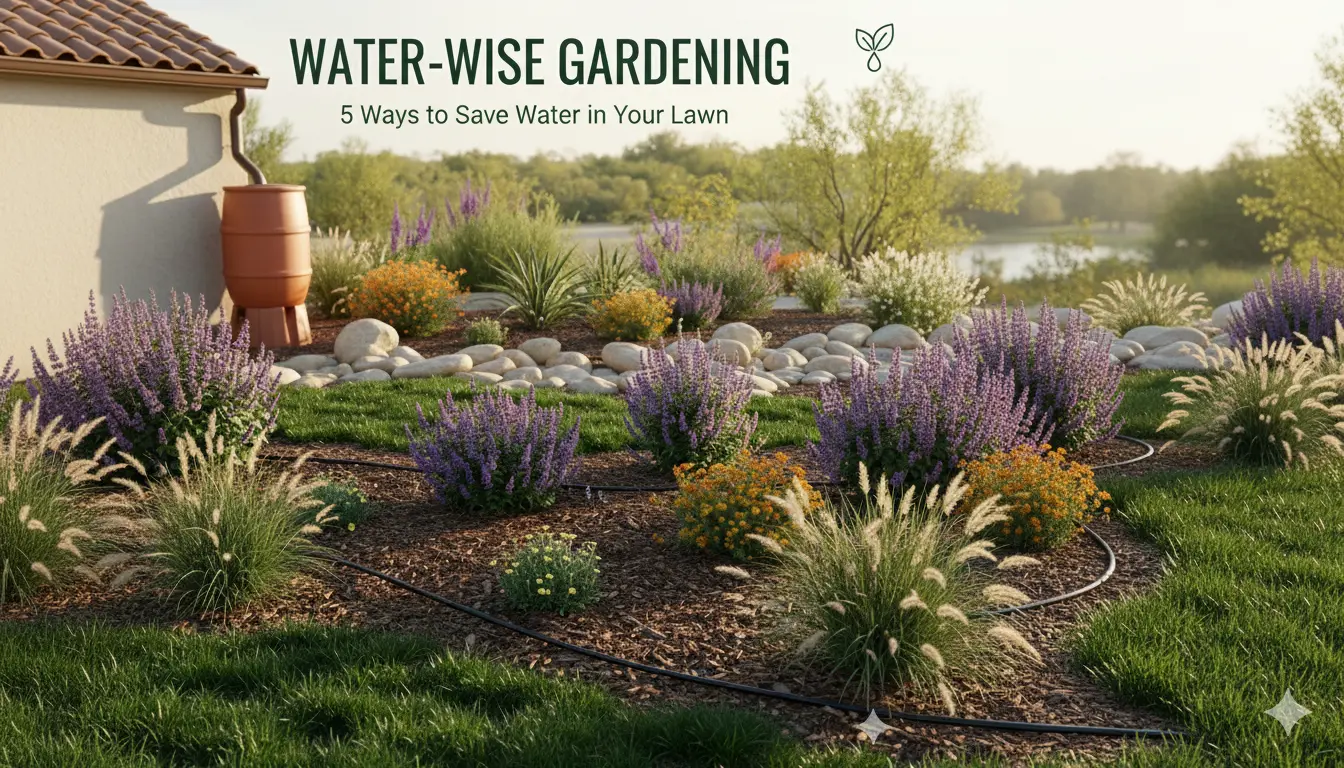
Embrace Water Conservation Gardening for a Sustainable Lawn
With increasing concerns about water scarcity, especially in regions like India, adopting water conservation gardening practices is no longer a choice but a necessity. Learn how to cultivate a thriving, beautiful lawn while significantly reducing your water consumption. This guide explores five effective techniques for saving water in the garden.
1. Choose Drought-Tolerant Plants: The Foundation of Water-Wise Gardening
Selecting the right plants is the cornerstone of water-wise gardening. Opt for drought-tolerant plants that thrive with minimal watering, naturally adapted to drier climates. Consider native species, which are already acclimatized to the local conditions. For example, research the best native grasses and flowering plants for your specific region.
- Research plants that require less water and are native to your area.
- Group plants with similar watering needs together to avoid overwatering some and underwatering others.
- Replace high-water-demand plants with drought-tolerant alternatives gradually.
This approach not only reduces your water bill but also supports local ecosystems. Consider these practices in line with the broader concept of sustainable practices in India.
2. Implement Efficient Irrigation Techniques
Traditional sprinklers often waste water through evaporation and runoff. Implementing efficient irrigation techniques like drip irrigation and soaker hoses can significantly improve water conservation gardening efforts. Drip irrigation delivers water directly to the plant's roots, minimizing waste. Soaker hoses work similarly, providing a slow, targeted release of water.
- Install a drip irrigation system for flowerbeds and vegetable gardens.
- Use soaker hoses for shrubs and trees.
- Water deeply and less frequently to encourage deep root growth, making plants more drought-tolerant.
Consider using a smart irrigation controller that adjusts watering schedules based on weather conditions. Some systems even use sensors to detect soil moisture levels, preventing overwatering and optimizing your water usage.
3. Mulch, Mulch, Mulch: Nature's Water Conservation Tool
Mulching is a simple yet powerful technique for saving water in the garden. Applying a layer of organic mulch, such as wood chips, bark, or compost, around your plants helps retain soil moisture by reducing evaporation. Mulch also suppresses weed growth, which competes with your plants for water and nutrients. Furthermore, it helps regulate soil temperature, protecting roots from extreme heat.
- Apply a 2-4 inch layer of organic mulch around your plants.
- Replenish mulch as needed to maintain a consistent layer.
- Choose locally sourced mulch to support regional sustainability initiatives.
Remember to keep mulch a few inches away from plant stems to prevent rot.
4. Practice Xeriscaping: Designing for Drought
Xeriscaping is a landscaping approach specifically designed to minimize water use. It involves grouping plants with similar water needs, using permeable paving materials, and incorporating water-wise features like gravel beds and rock gardens. Xeriscaping is not about eliminating lawns altogether; it's about creating a balanced landscape that uses water efficiently.
- Plan your garden layout to group plants with similar water needs together.
- Replace traditional turf grass with drought-tolerant groundcovers or ornamental grasses.
- Incorporate hardscaping elements like pathways, patios, and retaining walls to reduce the need for irrigation.
Explore local resources for xeriscaping ideas and plant recommendations. Many nurseries and garden centers offer specialized services to help you design a water-wise landscape.
5. Harvest Rainwater: A Natural and Sustainable Solution
Rainwater harvesting is a fantastic way to supplement your water supply and reduce your reliance on municipal water sources. Collecting rainwater in barrels or tanks allows you to use it for irrigation, washing, and other non-potable purposes. It’s an eco-friendly solution that helps conserve water and reduce stormwater runoff, which can pollute local waterways.
- Install a rainwater harvesting system to collect water from your roof.
- Use the collected rainwater to irrigate your garden, wash your car, or clean outdoor surfaces.
- Ensure your rainwater harvesting system is properly maintained to prevent contamination.
Consider the size of your roof and the average rainfall in your area to determine the appropriate size of your rainwater storage tank.
The Future of Water-Wise Gardening
As concerns about water scarcity continue to grow, water conservation gardening will become increasingly important. By implementing these five effective techniques, you can create a beautiful, thriving lawn while minimizing your environmental impact. Embracing drought-tolerant plants, efficient irrigation, mulching, xeriscaping, and rainwater harvesting are essential steps towards a more sustainable future. Also, consider offsetting your carbon footprint by exploring Carbon Credits: A Comprehensive Guide for a Sustainable India. By making conscious choices and adapting to changing environmental conditions, we can all contribute to a more water-wise and sustainable world.